
Philadelphia, PA
Microneedling
What is microneedling?
Microneedling uses fine needles to create controlled micro-injuries in the skin. The body responds the way it responds to any wound — by producing collagen and elastin — and the result over a series of treatments is firmer skin with better texture.
Depth is what determines the outcome. Treated shallower, microneedling is a skin-revitalizing treatment: tone, texture, pore appearance, glow. Treated deeper, it addresses etched lines and atrophic acne scarring. Matching the depth to the problem is most of the skill, and it is the main thing separating a medical treatment from a home roller.
Microneedling with or without radiofrequency — what’s the difference?
All microneedling falls into one of two categories, and the distinction is simply whether radiofrequency energy is added.
Without radiofrequency is plain microneedling — this page. The needles create the micro-injury and your body does the rest.
With radiofrequency is Morpheus8. Insulated needles deliver heat into the dermis alongside the mechanical injury, which drives deeper collagen remodeling and does more for early skin laxity.
Neither is an upgrade of the other. Plain microneedling is often the better choice for skin quality, texture and acne scarring; Morpheus8 earns its place when laxity is the concern. We will tell you which one fits what you actually want rather than defaulting to the more expensive option.
Does microneedling hurt?
Usually not, and this is the question we are asked most often.
We numb the treatment area beforehand with a compounded topical anesthetic made for us — lidocaine, tetracaine and prilocaine together, which is considerably stronger than anything available over the counter.
It is applied here and monitored while it works, rather than handed to you to use at home. That distinction matters: high-strength numbing creams are safe when applied to a treatment area under supervision, and genuinely are not when spread thickly over large areas by someone without training.
Most patients describe the treatment as uncomfortable in places rather than painful. Bony areas — the forehead, the jawline, around the nose — are more sensitive than the cheeks. A good number of people are surprised by how manageable it is. Tell us if you are uncomfortable at any point and we will adjust rather than push on.
Why PRP is our standard, not an upsell
Microneedling needs a medium to let the device glide across the skin. Most clinics use a cosmetic hyaluronic acid serum. Some sell a proprietary blend at a premium.
We use platelet-rich plasma — drawn from your own blood, spun down, applied as the glide medium so it enters the micro-channels as they are created, and put back on at the end as a post-procedure mask. It is included in every microneedling treatment at no additional cost.
Four reasons it is what we use.
There is nothing in it to react to. It is your own blood. No preservatives, no fragrance, no botanical extract, no ingredient you did not know you were sensitive to. When you open thousands of micro-channels in someone’s face, what you put on top of them matters, and an autologous preparation removes that entire category of risk. That matters more for some patients than others — anyone with allergies, reactive skin, or a history of reacting to cosmetic products avoids the variable altogether.
It works better. A 2026 systematic review and meta-analysis pooling 17 studies and 1,111 patients found that adding PRP to microneedling roughly tripled the odds of an excellent result — a two-grade improvement in scar severity — compared with microneedling alone, with erythema, swelling, pain and pigment change no more common in the combination group. An earlier meta-analysis reached the same conclusion. Worth adding what the review’s own authors say: most of the underlying trials were small and single-center, and the studies at higher risk of bias tended to report the largest effects.
It is sterile by origin. It is drawn from your circulation and prepared in a closed system rather than decanted from a jar that has been opened before. Platelet preparations also carry white blood cells, which have documented antimicrobial activity in the literature.
Recovery is easier. Patients consistently report less redness and a shorter settling period than they have had with microneedling elsewhere, which is what you would expect from applying growth factors involved in wound healing to a wound you have just created.
A serum that cannot make those claims is doing less work for you, and charging you for the privilege.
What is PDGF+, and do I need it?
PDGF+ is a topical growth-factor serum applied right after treatment. It is a paid add-on with microneedling or Morpheus8, and it is the one we recommend: in our experience, patients who add it to their PRP look better at 30 days and recover faster. That is our clinical impression rather than a measured comparison; the published research on PDGF+ is still small, and no study has yet compared it with PRP. The reasoning and the research behind that recommendation are in our article on PDGF+ with microneedling.
If you would rather not have blood drawn, PDGF+ on its own is the alternative. And it is a topical: it is applied to the surface after the procedure, never injected. We do not inject products that are not cleared for injection, whatever their marketing suggests.
Ask us about the GlowUp
If you are treating pigment and texture together, there is a combination worth knowing about. The GlowUp packages microneedling — with or without radiofrequency — with the LaseMD Ultra thulium laser and PRP, in a single visit.
The logic is that skin concerns rarely sit at one depth. The needles work into the dermis, the laser works on surface pigment and tone, and the PRP goes into the channels both create — with one recovery period instead of two or three. It is booked and priced as a package. If microneedling alone is the right answer for what you are treating, we will say so. Our GlowUp article covers the evidence for each part and how many sessions most people need.
Who performs microneedling here?
Every microneedling treatment at PhillyMedClub — with or without radiofrequency — is performed by a physician or by our advanced practice nurse. You choose which when you book, and the provider you choose is the one who performs your treatment.
That is a deliberate choice rather than a marketing line. Needle depth and energy have to be matched to the thickness of the tissue in each area of the face, and getting that judgment wrong is how microneedling produces poor results rather than none.
Which microneedling device do you use?
A standard medical microneedling pen. We are asked often enough to answer it plainly — and the honest answer is that the pen is not the variable that decides your result.
Medical microneedling devices all do the same mechanical job: controlled micro-channels at a depth the operator sets. What changes the outcome is the depth chosen for each area of your face, the judgment behind that choice, and what goes into the channels once they are open. Here that is a physician or our advanced practice nurse making the choice, and PRP from your own blood as the medium — included in every treatment rather than sold as an upgrade.
The question worth asking any practice is not which pen they own, but who will be holding it and what they will put in the skin.
How many sessions will I need?
Three sessions about four weeks apart is the standard starting course, with maintenance every six to twelve months. Deeper acne scarring often needs more than three, and we would rather tell you that at the outset than after you have paid for a series.
What should I expect during and after treatment?
Numbing cream goes on first and takes 30 to 45 minutes to work properly. The treatment itself takes 45 to 60 minutes including preparation and the blood draw for your PRP.
Afterward expect redness resembling a sunburn for one to three days, and some flaking as the skin turns over. Makeup can go back on after 24 hours. Avoid sun exposure and use sunscreen while the skin recovers.
Visible change begins around two to four weeks and continues building as collagen forms over the following months.
Further reading
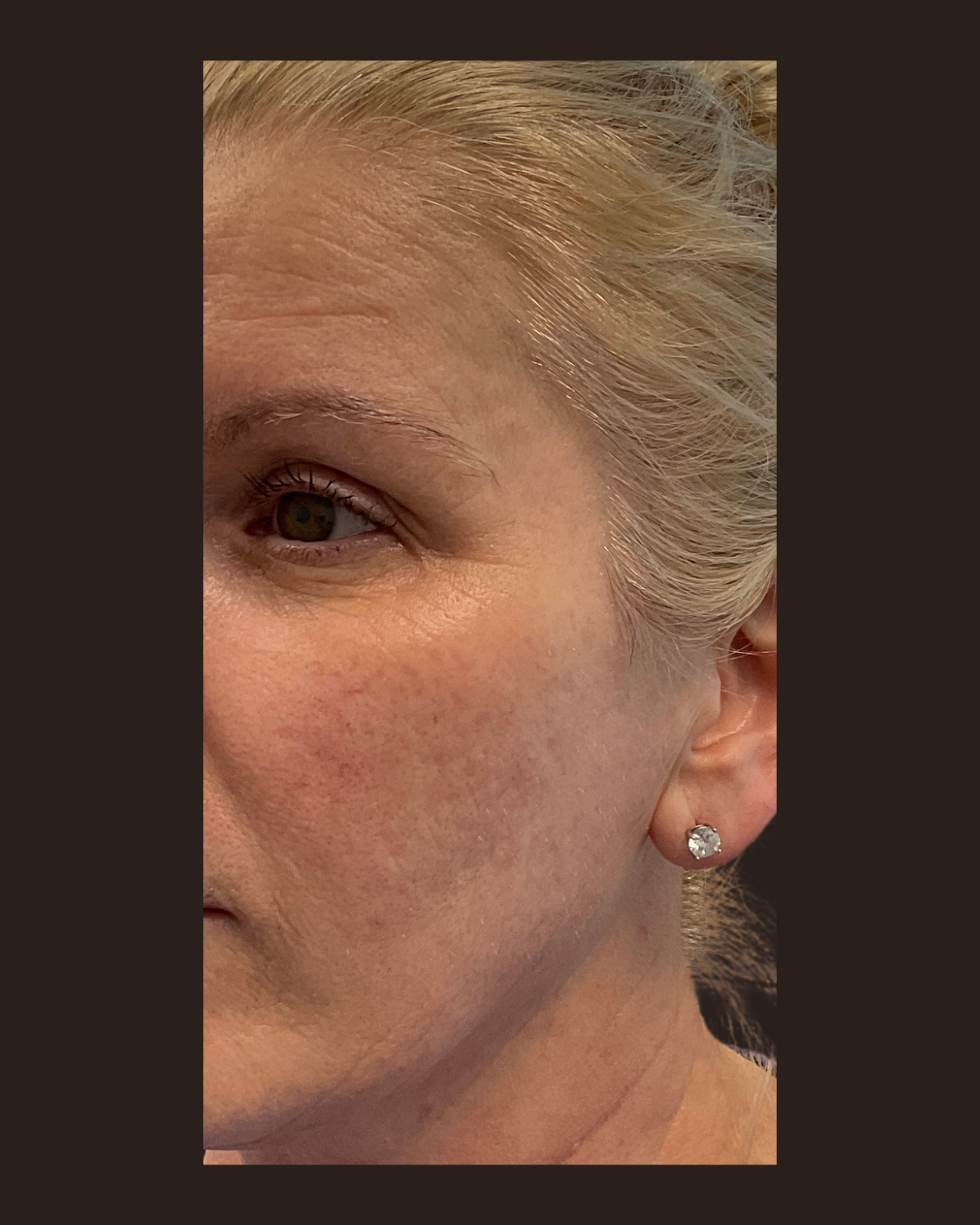

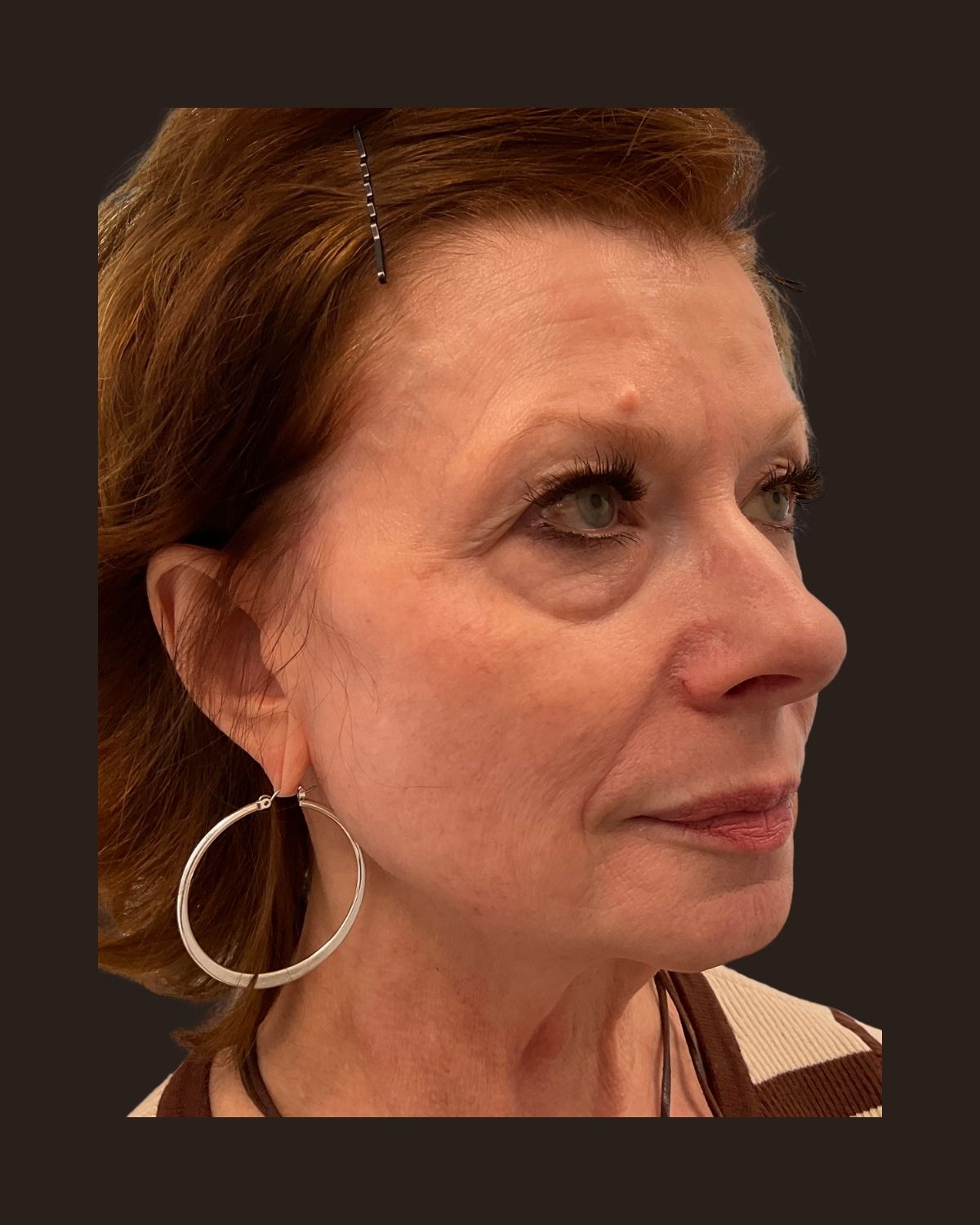
Before → After
1 GlowUp Package session. Photographed 4 weeks later.
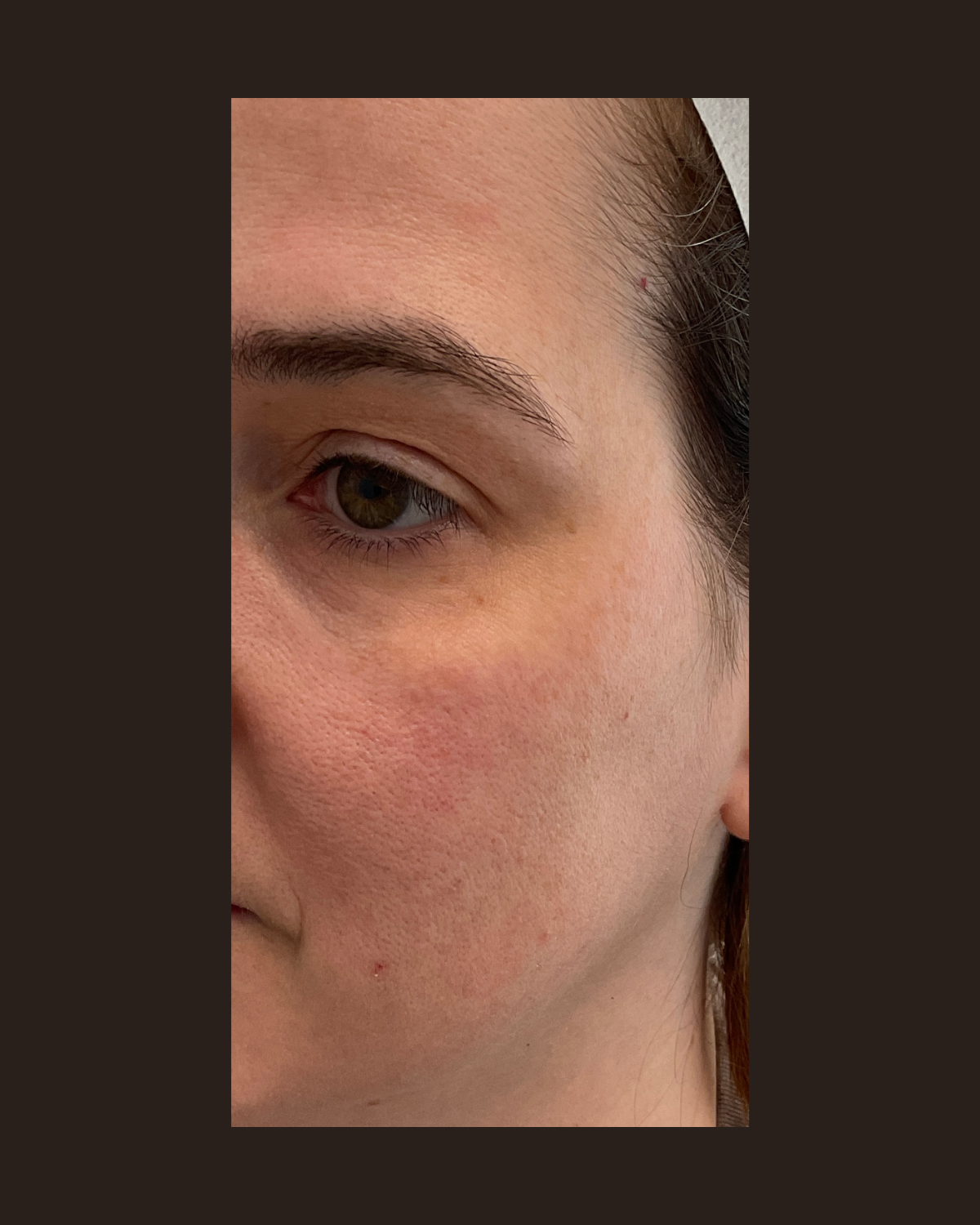
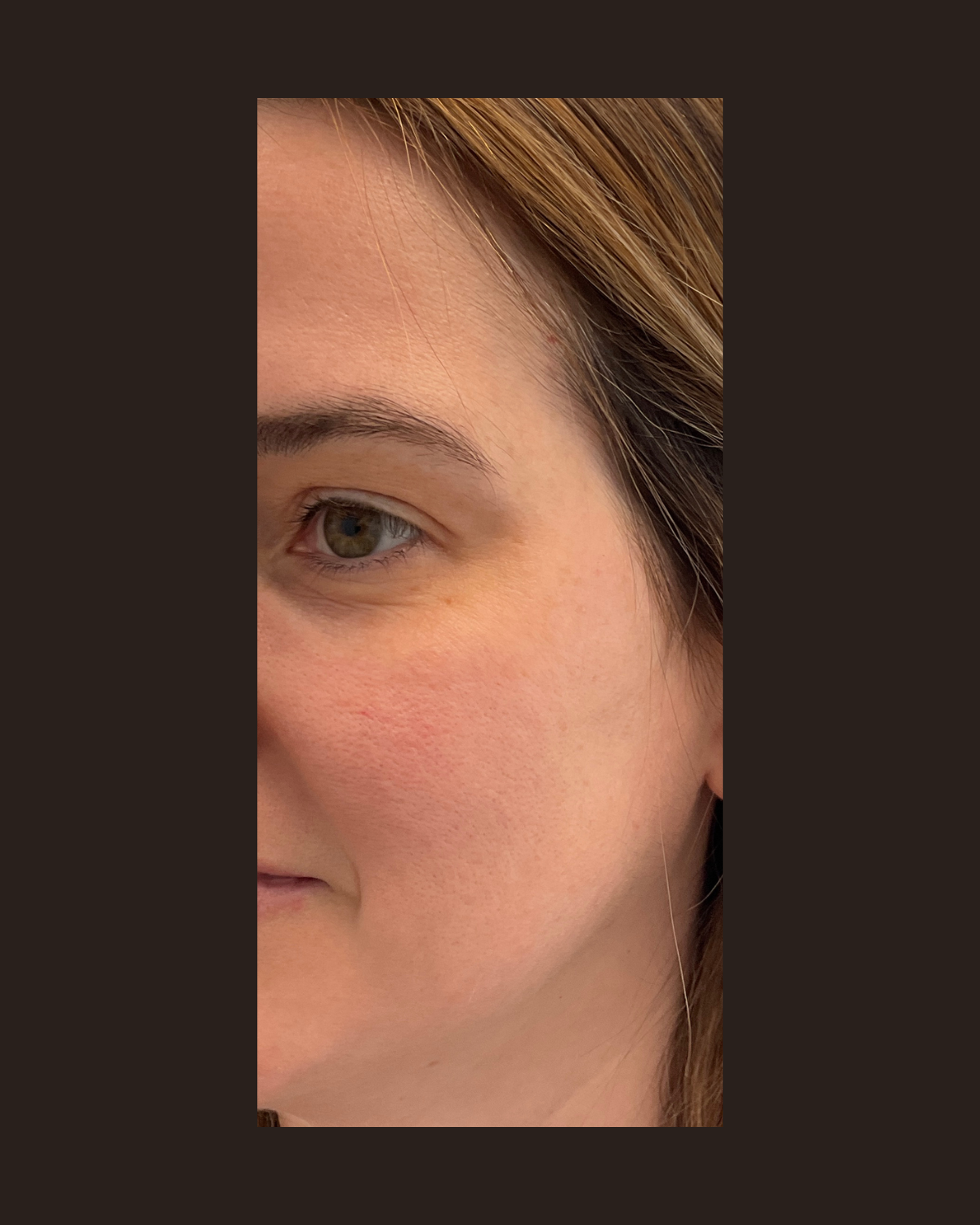
Before → After
1 GlowUp Package session. Photographed 4 weeks later.
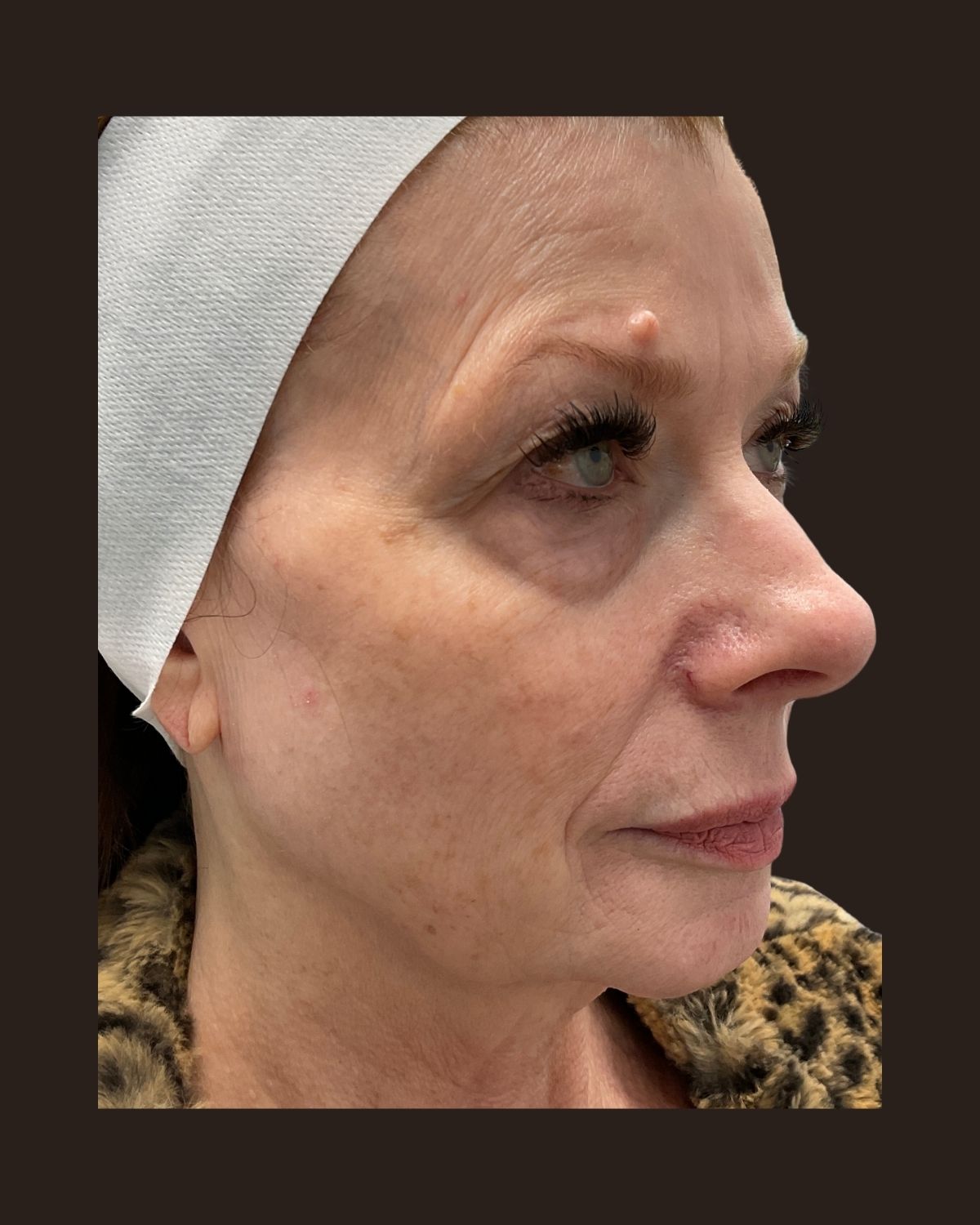
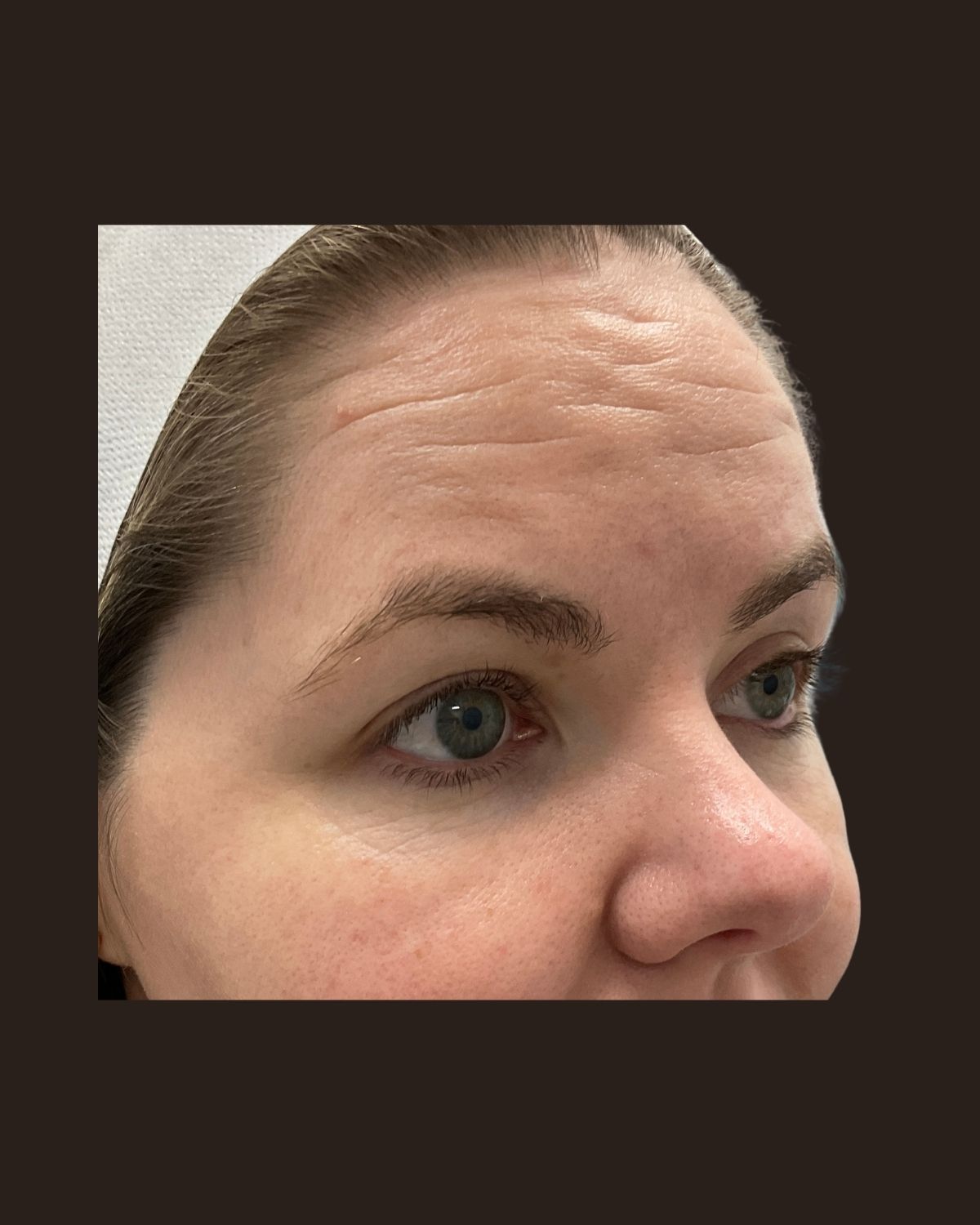
Before → After
1 GlowUp Package session. Photographed 4 weeks later.
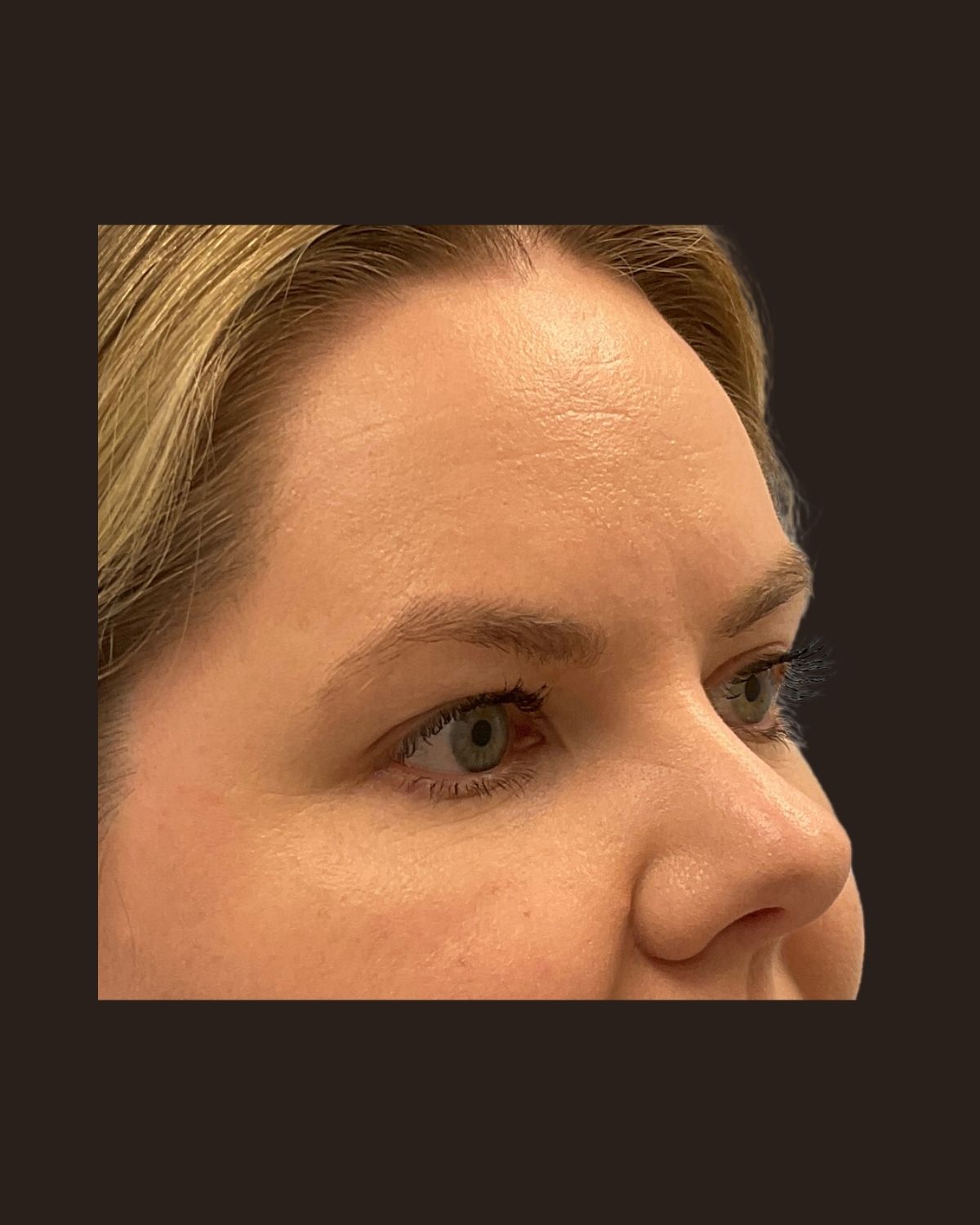
Before → After
2 GlowUp Package sessions plus 1 PRP microneedling session, 10 weeks apart.
Why choose PhillyMedClub for microneedling in Philadelphia?
PRP from your own blood is included in every microneedling treatment at no extra cost. It is the glide medium, so it enters the micro-channels as they are created, and it goes back on at the end as a mask — our standard of care rather than an upgrade sold at the counter. Treatment is performed by a physician or our advanced practice nurse, and numbing is a compounded lidocaine, tetracaine and prilocaine preparation applied and monitored here rather than sent home with you. Plain microneedling is often the better tool for skin quality, texture and acne scarring, and it costs less than Morpheus8 — we will tell you when that is the case rather than defaulting to the more expensive option. From $350 a session, three sessions about four weeks apart, in Fishtown, Philadelphia.
Popular among male patients for acne scarring, pore refinement and general skin texture, with downtime that fits around a work week. PRP is included in every treatment at no extra charge.
A strong standalone treatment for skin quality, texture and acne scarring — not merely a stepping stone to something more expensive. PRP is included at no extra cost. Morpheus8 is the better tool if early laxity is your main concern, and we will say so if it is.
Frequently asked questions
What is the difference between plain microneedling and Morpheus8?
Both are microneedling. The difference is radiofrequency. Plain microneedling creates controlled micro-injuries that trigger collagen production. Morpheus8 adds radiofrequency energy through insulated needles, delivering heat into the dermis as well — on the face we treat between roughly 1 and 4 mm depending on tissue thickness. Plain microneedling is the better tool for skin quality, texture and acne scarring; Morpheus8 does more for early laxity.
Is PRP included, or is it an add-on?
PRP is included in every microneedling treatment at no extra charge — it is the gliding agent we use instead of a cosmetic serum, and it goes back on afterward as a post-procedure mask. It is our standard of care rather than an add-on: it comes from your own blood, so there is nothing in it to react to, and pooled trial data show microneedling with PRP outperforms microneedling alone for atrophic acne scars. PDGF+ is a separate topical add-on at extra cost.
How many sessions do I need?
Three sessions spaced about four weeks apart is the standard starting course, with maintenance every 6–12 months. Deeper acne scarring often needs more, and we would rather tell you that at the start than after three sessions.
Related services

.png)