
Philadelphia, PA
LaseMD Ultra
What is LaseMD Ultra?
LaseMD Ultra is Lutronic's 1927 nm thulium fiber laser. It is non-ablative and fractional: rather than removing the surface of the skin, it creates thousands of microscopic columns of controlled heating while leaving the tissue between them untouched. That intact tissue is what drives fast healing, and it is why this treatment asks for a few days rather than a few weeks.
The 1927 nm wavelength is absorbed strongly by water in the epidermis and superficial dermis, which is where sun damage and unwanted pigment mostly live. It is a pigment and skin-quality laser rather than a tightening one.
What does it treat?
- Sun damage, age spots and uneven pigmentation
- Melasma and post-inflammatory hyperpigmentation
- Skin tone, texture and dullness
- Fine lines and surface wrinkles
- Mild to moderate acne scarring
Does it hurt?
Usually not, and it is worth being specific about why.
We numb the treatment area beforehand with a compounded topical anesthetic made for us — lidocaine, tetracaine and prilocaine together, which is considerably stronger than anything available over the counter. It is applied here and monitored while it works, rather than handed to you to use at home. High-strength numbing creams are safe on a treatment area under supervision and genuinely are not when spread thickly over large areas by someone untrained.
With the area properly numb, most patients describe the treatment as warm and prickling rather than painful, uncomfortable in places rather than throughout. A good number are surprised by how manageable it is. Tell us if you are uncomfortable and we will adjust rather than push on.
The micro-channels, and what we put through them
Immediately after treatment, the columns the laser creates are briefly open, and topical preparations penetrate far better than they would through intact skin. We use cosmeceutical ampoules — tranexamic acid for pigment, vitamin C, growth factor formulations — selected for what we are treating.
Worth being precise about this, because it gets oversold: these are topical cosmetic preparations delivered more effectively, not drugs and not injections. The laser is doing the primary work. The ampoule is a sensible addition to it.
Melasma — read this before booking
LaseMD Ultra is one of the better laser options for melasma, and melasma is still the hardest pigment problem in aesthetics.
It is chronic and relapsing, driven by hormones and sun exposure, and it responds to over-treatment by coming back worse. No laser cures it. What a conservative, well-chosen laser can do is improve it, and what daily sun protection and topical therapy do is hold that improvement.
We treat melasma cautiously and often in combination — sometimes sequencing with a VI Peel or Nd:YAG skin revitalization rather than pushing a single treatment harder. If you have been told a laser will clear your melasma permanently, you have been told something untrue.
The GlowUp: LaseMD Ultra with microneedling and PRP
Our most requested combination, and the reason is that skin concerns rarely sit at one depth.
The GlowUp pairs microneedling — with or without radiofrequency, depending on whether laxity is part of the picture — with LaseMD Ultra and PRP drawn from your own blood. The microneedling works mechanically into the dermis, the thulium laser works on surface pigment and tone, and the PRP goes into the channels both create.
Treating multiple layers in one visit means one recovery period instead of two or three, which is the practical argument for it. It is booked and priced as a package. Whether it suits you depends on what you are actually treating — if your concern is purely pigment, the laser alone may be the more sensible spend, and we will say so. Our GlowUp article covers the evidence for each part and how many sessions most people need.
Who performs it?
LaseMD Ultra here is performed by one of our physicians, by our advanced practice nurse, or by Carla, our licensed medical aesthetician certified on the device.
You choose your provider when you book, and the provider you choose is the one who performs your treatment — not a colleague, and not whoever has the next open slot.
What is the downtime, really?
Expect one to three days of redness with a fine sandpaper texture as the treated columns work their way out. Most patients are comfortable socially by day three, with full healing around five to seven days.
Makeup can go on after 24 hours. Sunscreen every day without exception — treating pigment and then exposing new skin to sun is how a good result is undone.
Is it safe on deeper skin tones?
Non-ablative fractional lasers are generally better tolerated across skin types than ablative resurfacing, and the 1927 nm wavelength is a reasonable choice for pigment in richly pigmented skin.
That said, any treatment that inflames the skin carries some risk of post-inflammatory hyperpigmentation, and that risk rises with Fitzpatrick type. We assess first, treat conservatively, and sometimes pre-treat. We would rather do three careful sessions than one aggressive one that leaves you worse off.
What do the results look like?
Before and after photographs of LaseMD Ultra patients treated at our Fishtown practice are in our results gallery. Individual results vary.
Further reading
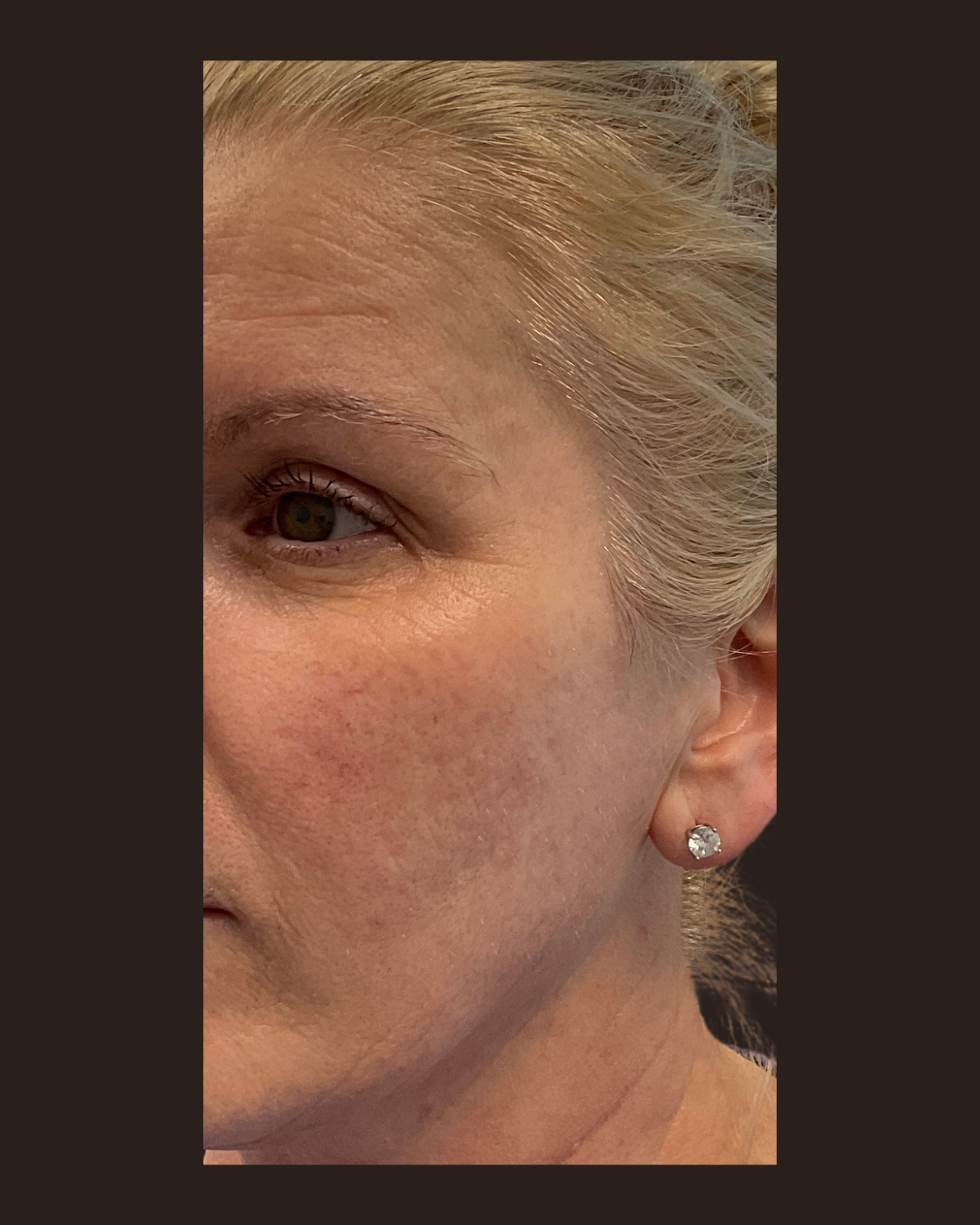

Before → After
1 GlowUp Package session. Photographed 4 weeks later.
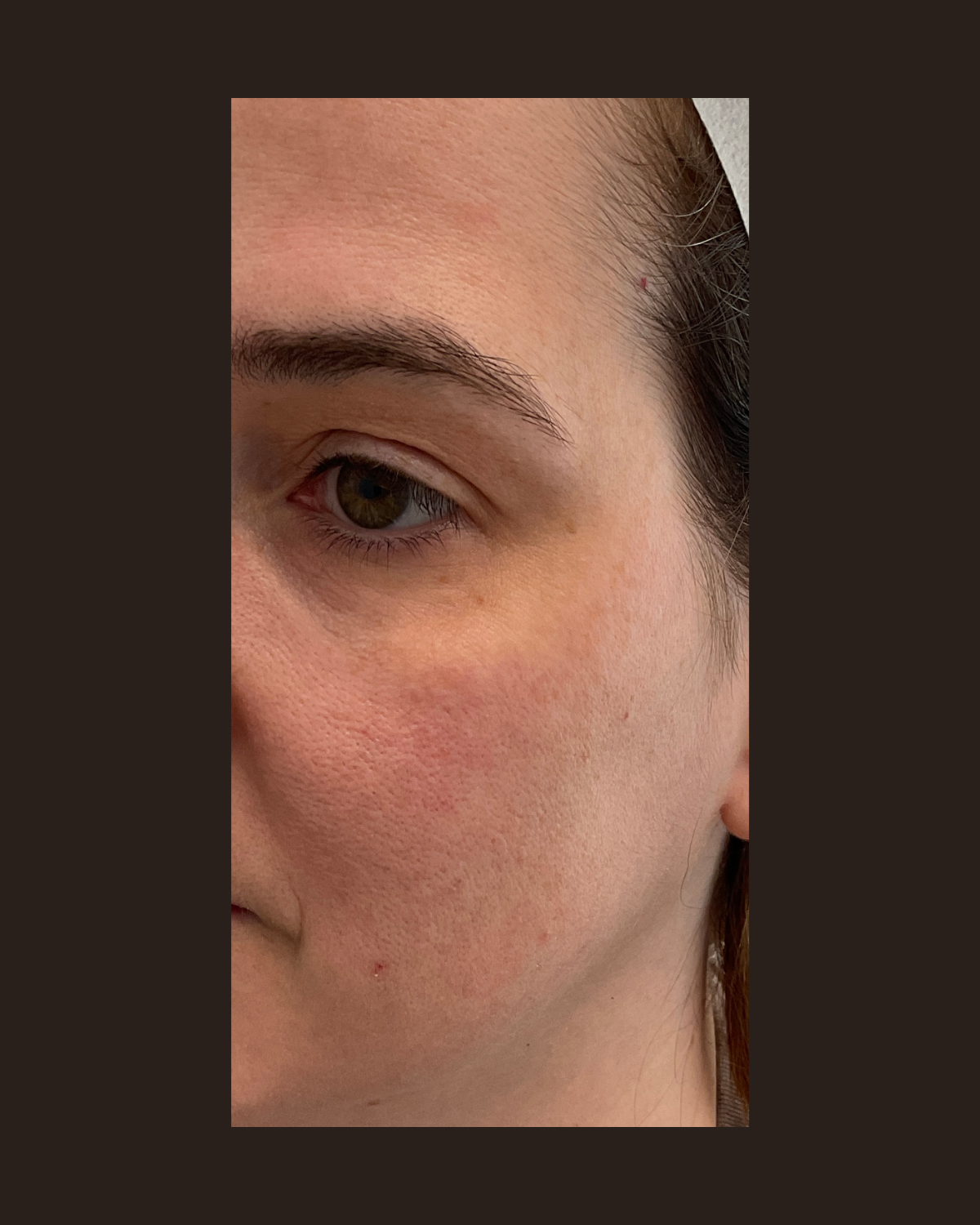
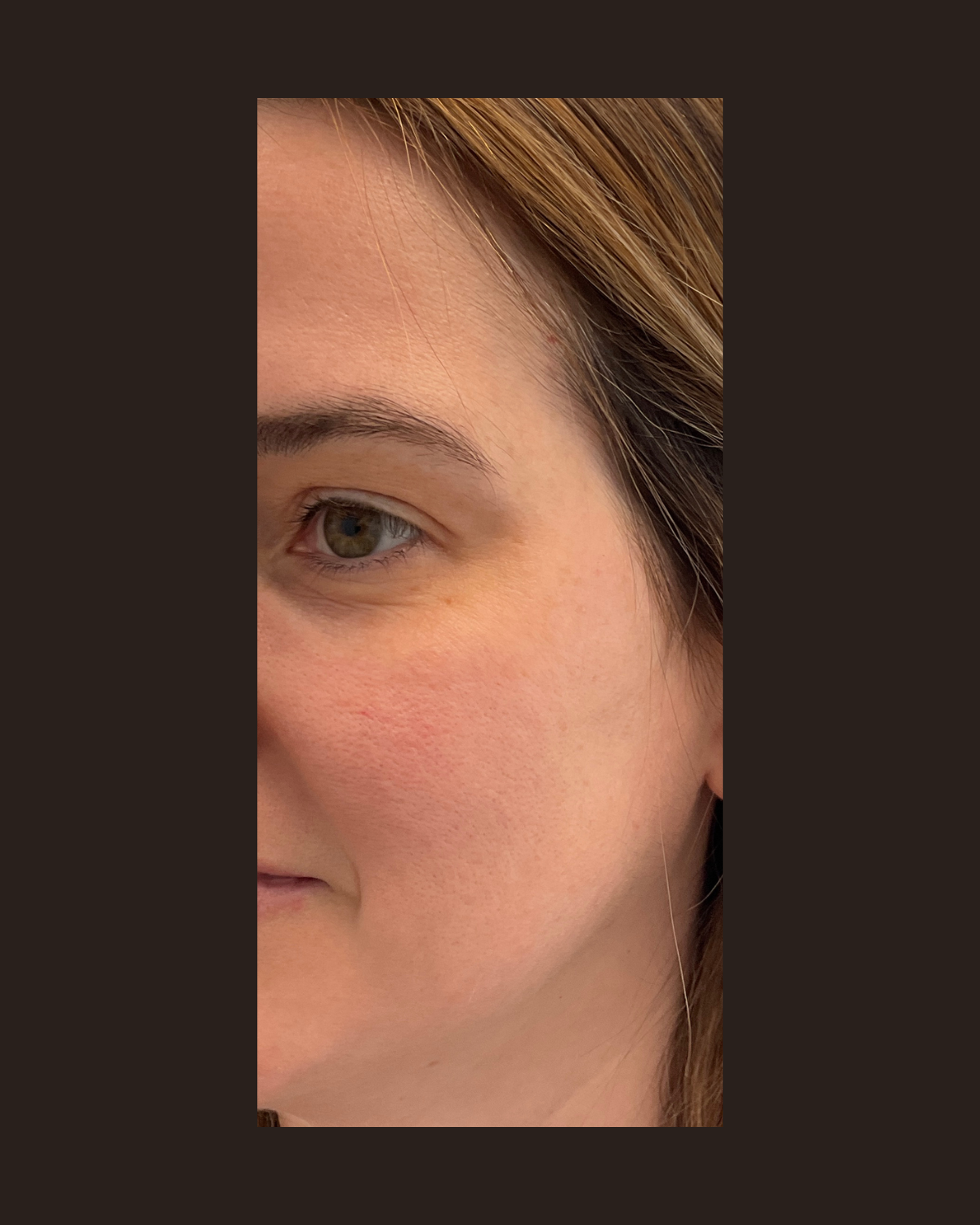
Before → After
1 GlowUp Package session. Photographed 4 weeks later.
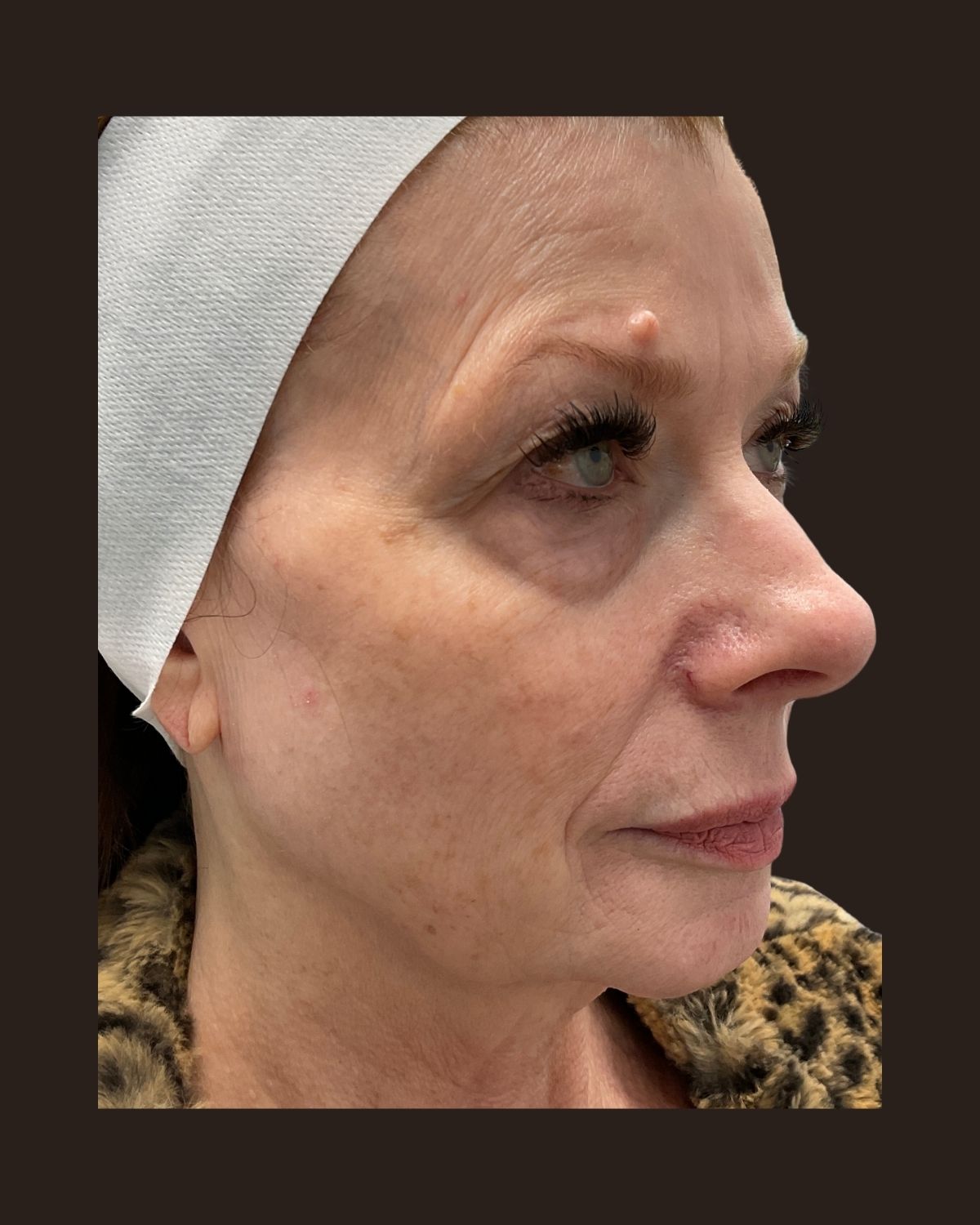
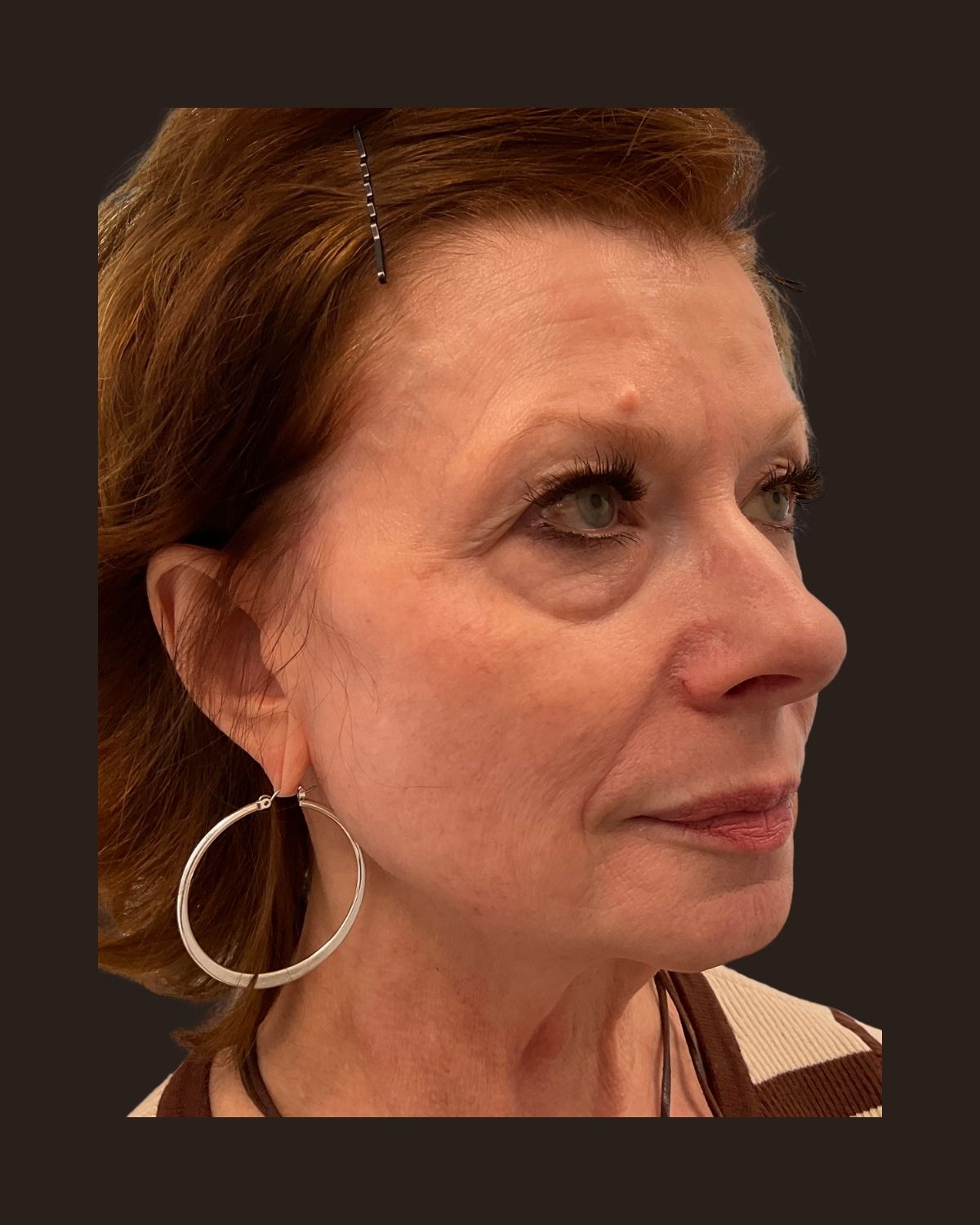
Before → After
1 GlowUp Package session. Photographed 4 weeks later.
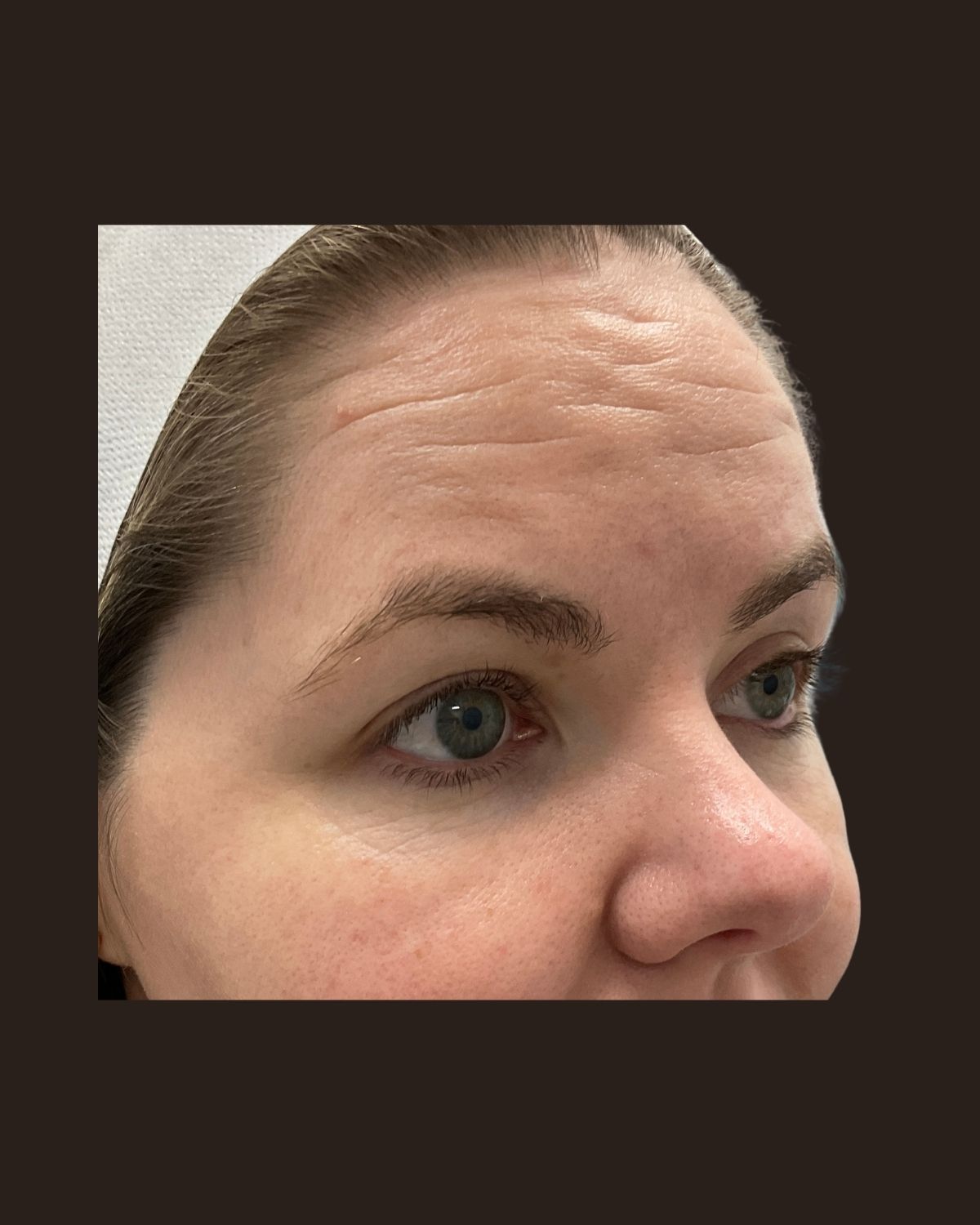
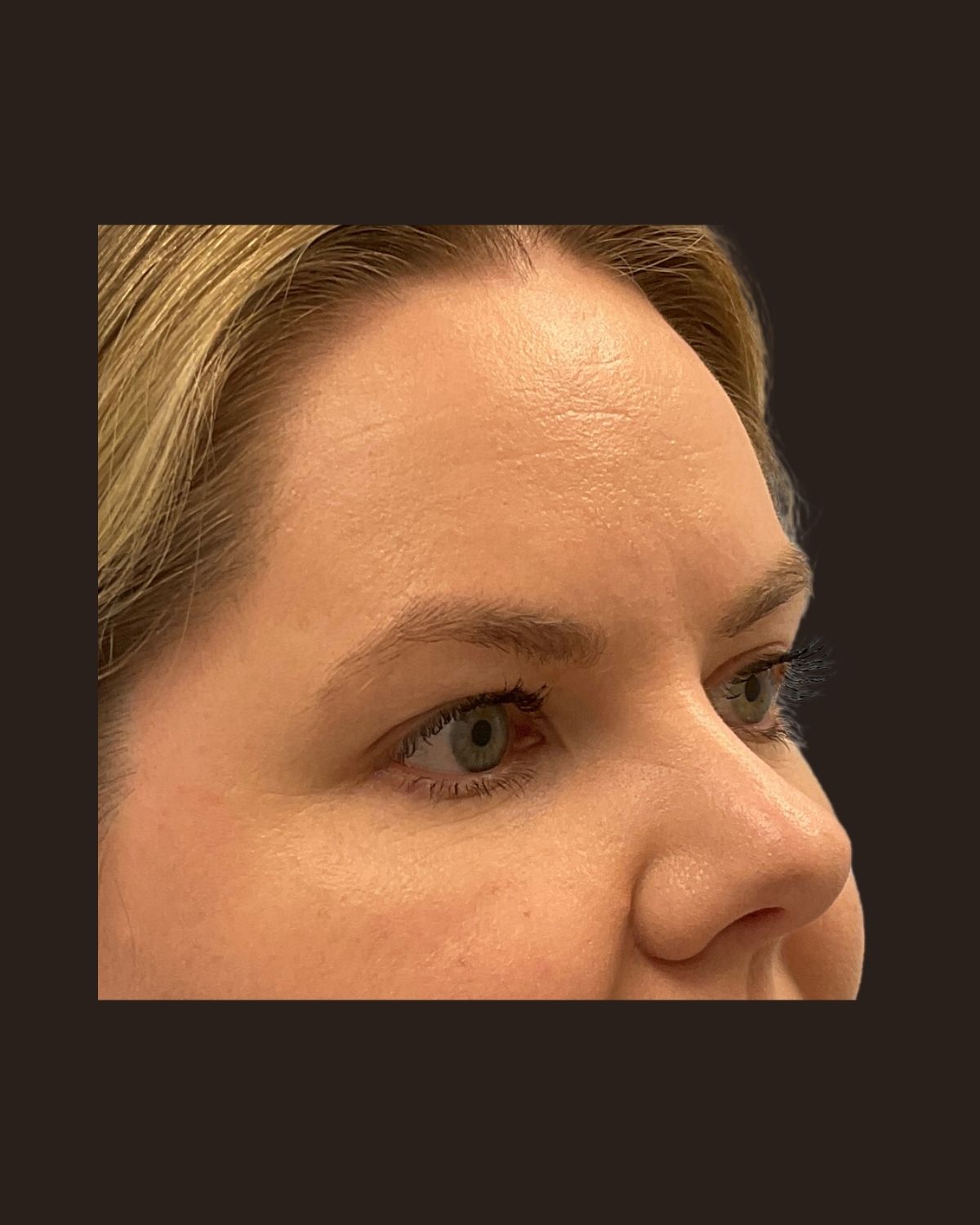
Before → After
2 GlowUp Package sessions plus 1 PRP microneedling session, 10 weeks apart.
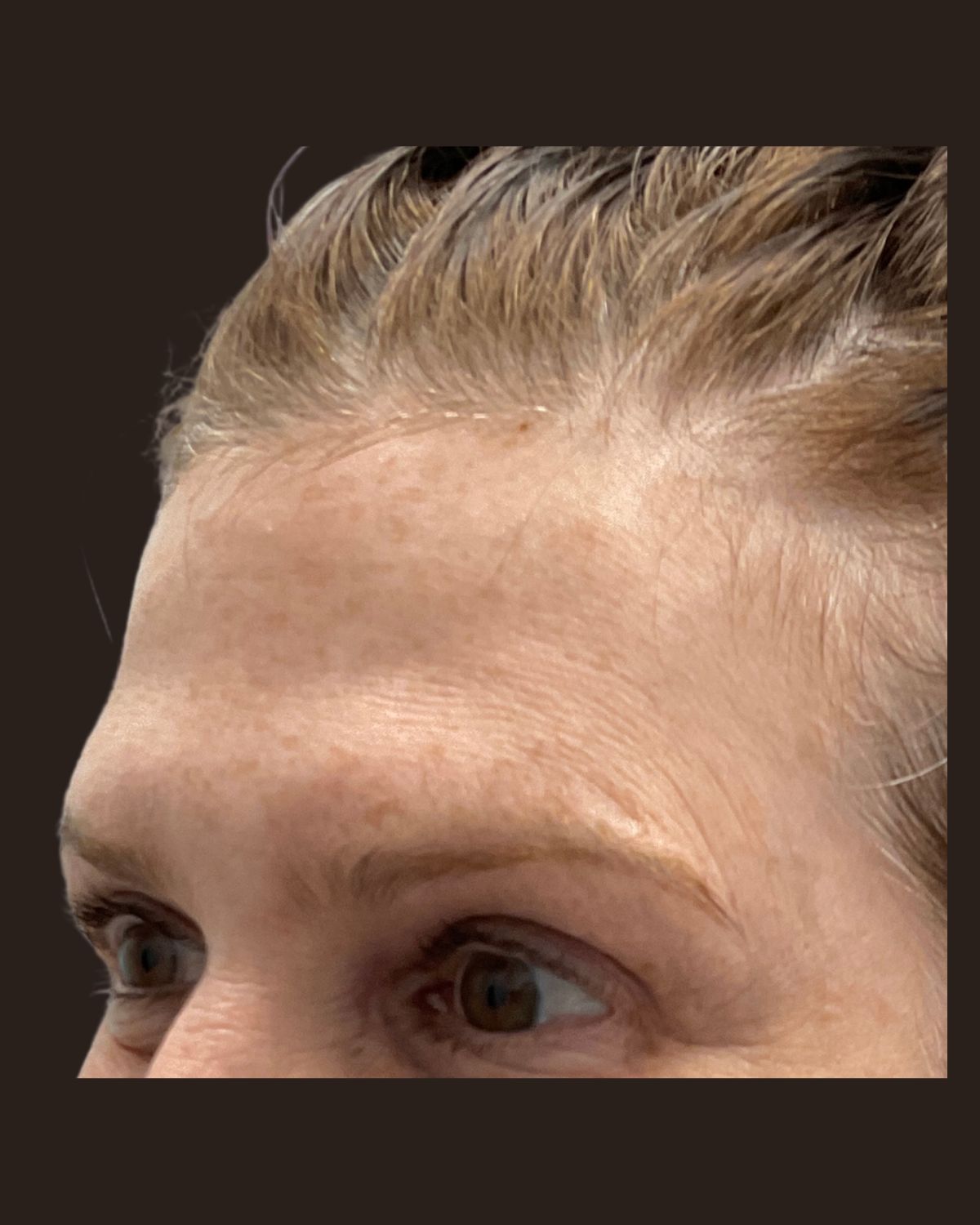
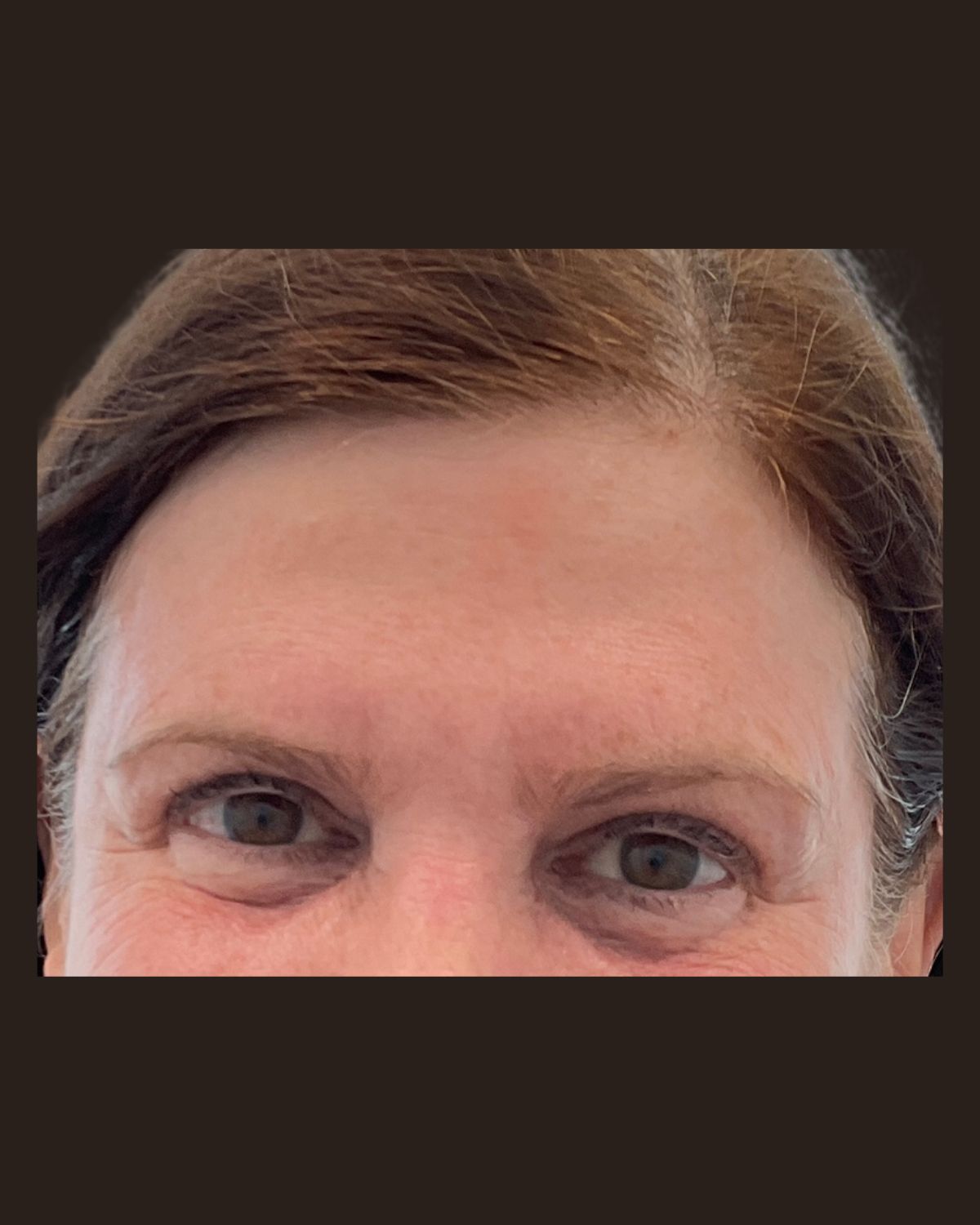
Before → After
2 LaseMD Ultra sessions, 4 weeks apart.
When a lesion needs a dermatologist
We treat a broad range of skin conditions with the LaseMD Ultra — acne and acne scarring, sun damage and actinic keratoses, hyperpigmentation and melasma, fine lines and wrinkles, keratosis pilaris and stretch marks. What we do not do is diagnose a lesion from across the room. If something is changing, asymmetric, newly raised, bleeding, or simply does not look like the others, it needs dermatologic evaluation and possibly a biopsy before anyone points a laser at it. Treating a suspicious lesion cosmetically can delay a diagnosis. We refer first, and treat afterwards if treating is still appropriate.
Why choose PhillyMedClub for LaseMD Ultra in Philadelphia?
We use Lutronic's 1927 nm thulium laser as what it is — a pigment and skin-quality laser rather than a tightening one. Because it is non-ablative and fractional, recovery runs one to three days rather than weeks, and it is suitable across skin types I to VI. Numbing is a compounded lidocaine, tetracaine and prilocaine preparation applied and monitored here rather than sent home with you. Immediately after treatment the micro-channels are briefly open, and we use that window for cosmeceutical ampoules chosen for what we are treating — tranexamic acid for pigment, vitamin C, growth factor formulations. Melasma we treat cautiously and often in combination; if you have been told a laser will clear it permanently, you have been told something untrue. From $399 a session in Fishtown, Philadelphia.
LaseMD Ultra is popular among male patients for overall skin tone improvement, sun damage reversal, and a general "reset" of skin quality without looking like you've had anything done. Minimal downtime makes it practical for busy schedules.
One of our most requested treatments for melasma, post-inflammatory hyperpigmentation and overall skin clarity. Cosmeceutical ampoules — tranexamic acid, vitamin C — are applied through the micro-channels immediately after treatment, chosen for what we are actually treating.
Frequently asked questions
How is LaseMD Ultra different from other lasers?
It is a 1927 nm thulium fractional laser — non-ablative, so it heats columns of tissue rather than removing the surface. That places it between a very gentle resurfacing treatment and an ablative CO2 laser: more capable than the former, far less recovery than the latter. It is particularly suited to pigment and overall skin quality rather than deep structural change.
What is the downtime?
Most patients experience 1–3 days of mild redness and a light sandpaper texture to the skin. Social downtime is typically 2–3 days. Full healing at 5–7 days.
Can LaseMD Ultra be combined with other treatments?
Yes. We most often combine it with microneedling and PRP as our GlowUp protocol, which treats surface pigment and deeper texture in the same visit. It also sequences well after injectables, and alongside a VI Peel for stubborn pigmentation.
Related services


.png)