
Philadelphia, PA
Botox & Neurotoxins in Philadelphia
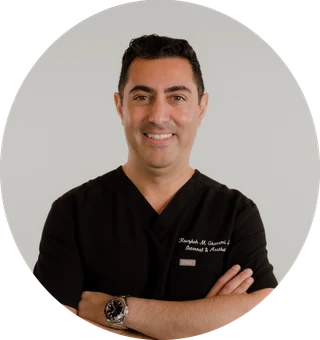
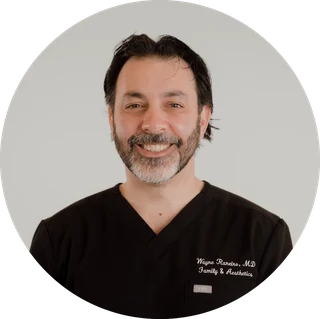
At PhillyMedClub you choose your injector when you book, and if you book a physician, the physician injects you personally. That sounds obvious and it is not: at most practices the physician owns the business and signs the protocols while someone else holds the needle. Placement is where results are won or lost — it takes a working knowledge of facial anatomy, how your individual muscles behave, and how treating one area changes the pull of another.
What are neurotoxins?
Botulinum toxin (Botox, Dysport, Letybo) works by temporarily relaxing the muscles responsible for dynamic wrinkles — the lines that form when you squint, frown, or raise your eyebrows. Unlike fillers, which add volume, neurotoxins reduce the muscular activity that causes lines to appear and deepen over time.
We offer all three: Botox, Dysport and Letybo. They are not interchangeable — the dosing scales are different, onset differs slightly, and individual response varies more than most patients expect. Which one suits you is part of the consultation, and the comparison further down explains what actually separates them.
What areas can Botox treat?
- Forehead horizontal lines
- Glabellar lines (the "11s" between the brows)
- Crow's feet around the eyes
- Brow lift and shaping
- Bunny lines on the nose
- Lip flip and upper lip lines
- Chin dimpling
- Nefertiti neck lift (platysmal bands)
- TrapTox (trapezius Botox)
- Masseter Botox (jaw slimming and teeth grinding)
- Hyperhidrosis (excessive sweating)
Botox, Dysport or Letybo — how do they actually differ?
This is the question we are asked most often at consultation, and there is a lot of confident nonsense written about it. Here is what is actually true.
The active molecule is the same in all three. Each product delivers the same 150 kDa botulinum toxin type A. What differs is the accessory proteins packaged around it — Botox and Letybo carry it within a larger protein complex, Dysport within a smaller one.
You will often be told that this size difference determines how far the product spreads, and that one is therefore more precise than another. The evidence does not support it. Those complexing proteins release the active neurotoxin in under a minute at the pH of your tissue, and much of the complex has already come apart during reconstitution. The clearest test: one product on the market contains no complexing proteins whatsoever, and its diffusion profile is comparable to the products that retain them.
What genuinely determines spread is how much product goes in, how dilute it is, how deep it is placed and how carefully it is mapped. That is the injector, not the vial.
The units are not interchangeable, and this one matters. Dysport is dosed on a different scale from Botox — roughly two and a half to three of its units to one of Botox. It is the same amount of clinical effect described in different currency. This is why “how many units did you get last time” tells us very little on its own, and why we ask which product it was.
Onset differs a little. Dysport is commonly reported to start working a day or so sooner. Duration is broadly similar across all three at three to four months, with real variation between individuals.
There is one reason the complexing proteins may matter. Not diffusion — immune response. Repeated exposure to the accessory proteins has been raised in the literature as a possible contributor to reduced response over years of high-dose treatment. It is not a reason to avoid any product, but it is a legitimate consideration in someone treating large muscle groups frequently.
And then the part nobody can predict. Individual response varies for reasons the literature does not fully explain. Patients often find one product simply suits them better — a cleaner result, a slightly longer stretch between treatments, a look they prefer. That is a real phenomenon and not a placebo to be argued out of.
So our approach is straightforward: we start with the product that best fits your treatment area, your dosing history and your goals, and if it is not giving you what you want, we switch you rather than telling you they are all the same. Being stocked with all three is what makes that possible.
TrapTox: Botox for the trapezius muscles
TrapTox is the injection of botulinum toxin into overdeveloped or chronically tight trapezius muscles — the large muscles that span the neck and shoulders. Patients seek TrapTox for two reasons: aesthetically, relaxing the upper traps creates a longer, slimmer-looking neckline and a softer shoulder silhouette; functionally, many patients report meaningful relief from chronic neck and shoulder tension.
Trapezius dosing is significantly higher than facial treatment, and placement matters — injected too aggressively or in the wrong plane, it can affect shoulder function. This is a treatment where physician-level anatomic knowledge is essential, and one we keep in physician hands. Your physician assesses your trapezius bulk and muscle activity before designing the treatment.
Masseter Botox for teeth grinding & jaw slimming
Masseter Botox targets the masseter muscles — the powerful chewing muscles at the angle of the jaw. Relaxing overactive masseters softens a wide or square lower face, and many patients who clench or grind their teeth (bruxism) report reduced clenching intensity, less jaw tension, and less morning soreness after treatment.
Masseter treatment typically uses more units than facial areas — often 20–30 units per side — with jaw-tension relief developing over 1–2 weeks and visible facial slimming over 2–3 months as the muscle deconditions. If grinding is your primary concern, we will evaluate whether masseter treatment makes sense for you alongside dental strategies such as a night guard.
Because treatment aimed at grinding and jaw tension is a medical indication rather than a cosmetic one, we can provide a superbill for it. We do not bill insurance directly, but you can submit that yourself, and the treatment is generally an eligible FSA or HSA expense.
Nefertiti neck lift (platysmal bands)
The Nefertiti lift — named for the famously elegant neckline of the Egyptian queen — uses precisely placed neurotoxin along the jawline and the vertical platysmal bands of the neck. Relaxing the downward pull of the platysma allows the jawline to appear lifted and more defined, and softens the visible neck cords that become more prominent with age.
This is an advanced injection pattern that depends entirely on anatomic precision, and another we keep in physician hands.
Lip flip: Botox for the upper lip
A lip flip uses a small amount of neurotoxin placed along the border of the upper lip. Relaxing the muscle that curls the lip inward lets it roll slightly outward, so more of the lip shows when you smile. It changes shape rather than adding volume, which is why it suits people who want a softer upper lip without filler, and why it is sometimes combined with lip filler when the goal is both.
Two things are worth knowing before you book. A lip flip is an off-label use: Botox Cosmetic is FDA-approved for frown lines, crow’s feet, forehead lines and neck bands, not for the lips. And because the same muscle is used for speaking and drinking, too much can make it harder to use a straw or form some sounds for a while, so the amount used is kept small.
Botox for excessive sweating (hyperhidrosis)
Botox is FDA-approved for excessive underarm sweating and is one of the highest-satisfaction treatments we offer, with results lasting 6–9 months. Because hyperhidrosis is its own treatment protocol — including a starch-iodine test to map where you actually sweat, and a radiofrequency alternative aimed at a lasting result — we cover it in depth on our hyperhidrosis treatment page. Superbills are available for that treatment too.
The Letybo ToxClub
ToxClub is our membership plan for patients who treat with Letybo and would rather budget for it monthly than pay per visit. The terms are simple, and we would rather publish them than make you ask.
- $120 per month
- 50 units of Letybo per quarter
- 90-day minimum commitment
Fifty units a quarter is enough to cover the standard upper-face pattern at the interval most patients already treat at, which is what the plan is built around. It applies to Letybo specifically — not to Botox or Dysport — because the pricing comes from that product line.
Membership changes what you pay and nothing else. You still choose your injector when you book, and the provider you choose is the provider who treats you. If Letybo turns out not to suit you, say so at your next visit rather than persevering with it — we stock all three products precisely so that switching is a conversation and not a problem.
Rewards programs — and making sure your points actually land
Manufacturer rewards change what treatment costs over a year, and which program applies depends on the product rather than on the practice.
Allē is Allergan's program and covers Botox. ASPIRE is Galderma's and covers Dysport. Letybo comes from a different manufacturer again — ask us what applies at the time of your treatment.
We report your treatment to the manufacturer so the points post to your account. That step is easy to skip and plenty of practices do skip it, and points you were never credited are points you cannot spend. If you already have an Allē or ASPIRE account, bring it up when you book and we will make sure it is attached.
Cherry financing is also accepted if you would rather spread the cost.
What to expect
Treatment takes approximately 30 minutes. We use the finest available needles to minimize discomfort. Most patients experience mild redness at injection sites that resolves within an hour. You'll begin to see results within 3–5 days, with full effect at 2 weeks.
Results typically last 3–4 months, though some patients extend to 5 months with consistent treatment.
Further reading
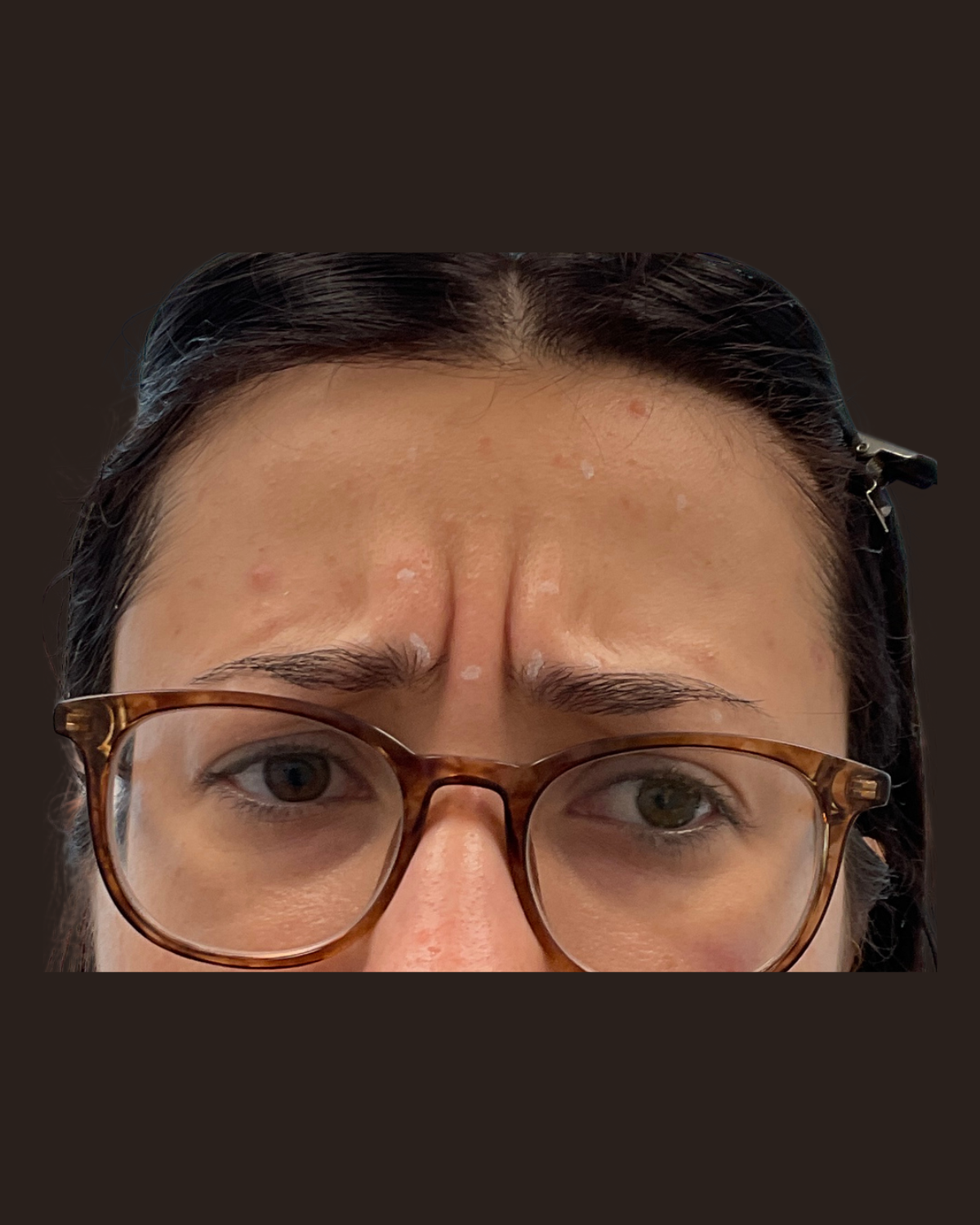
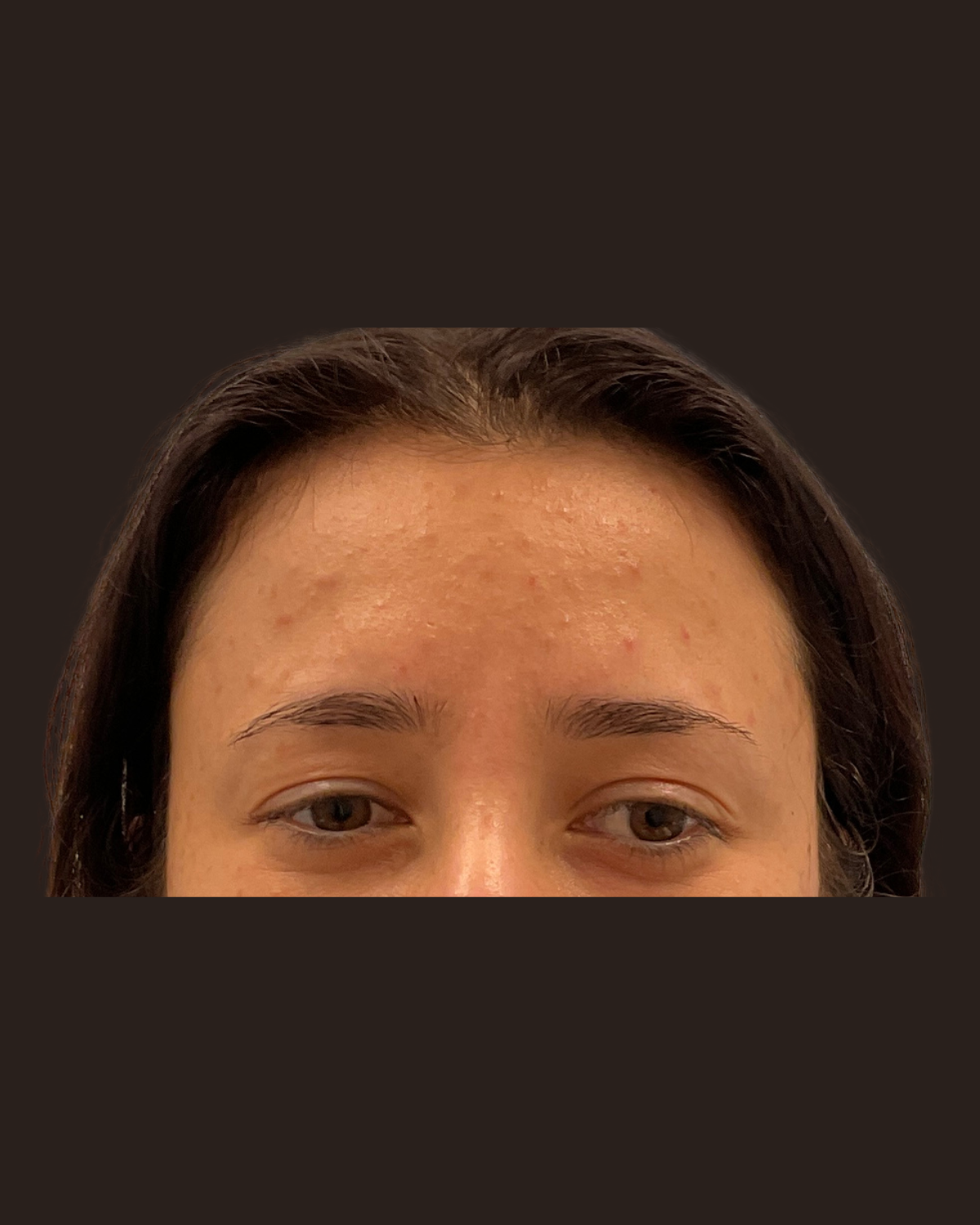
Before → After
Botox injection. Photographed 2 weeks later.
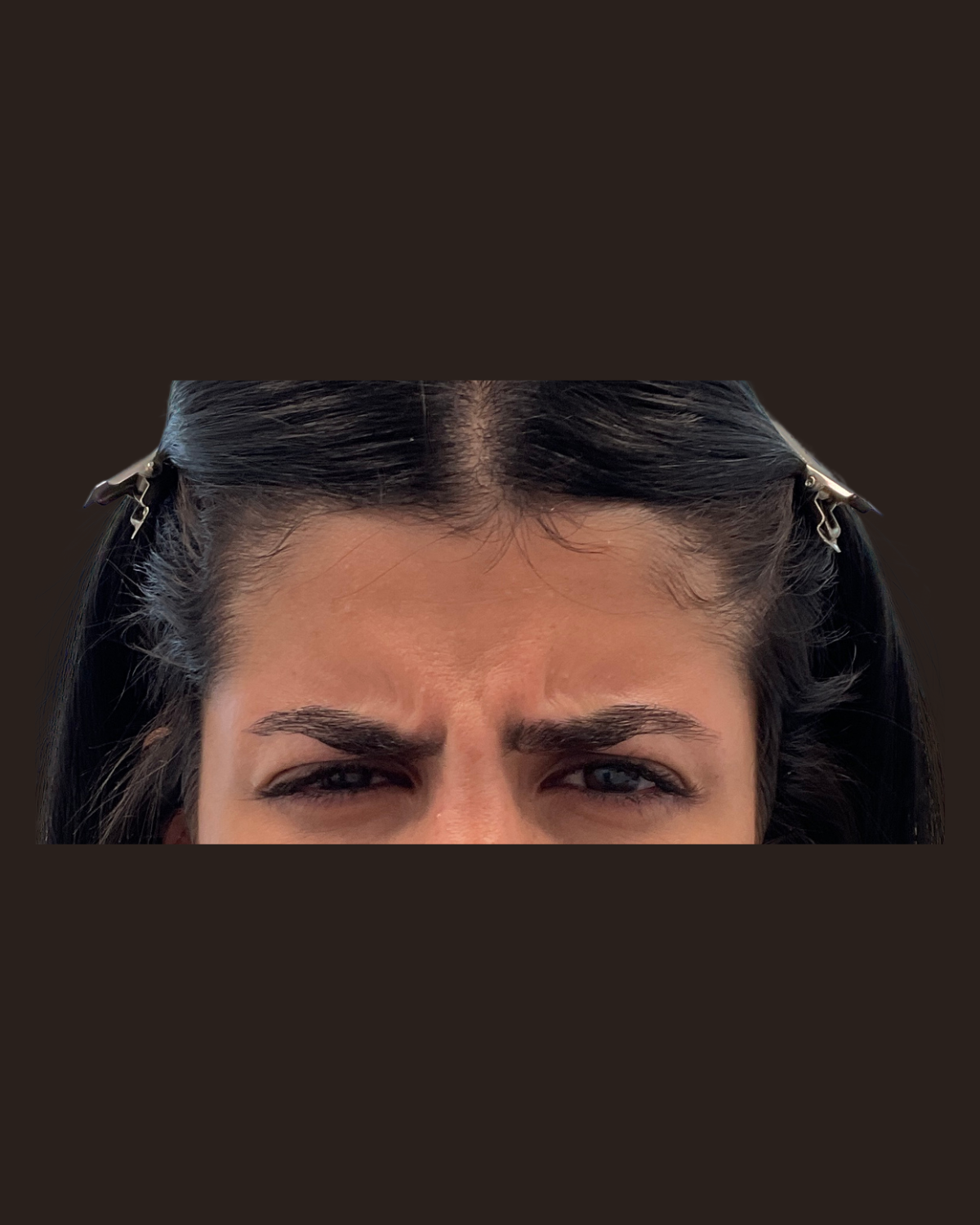
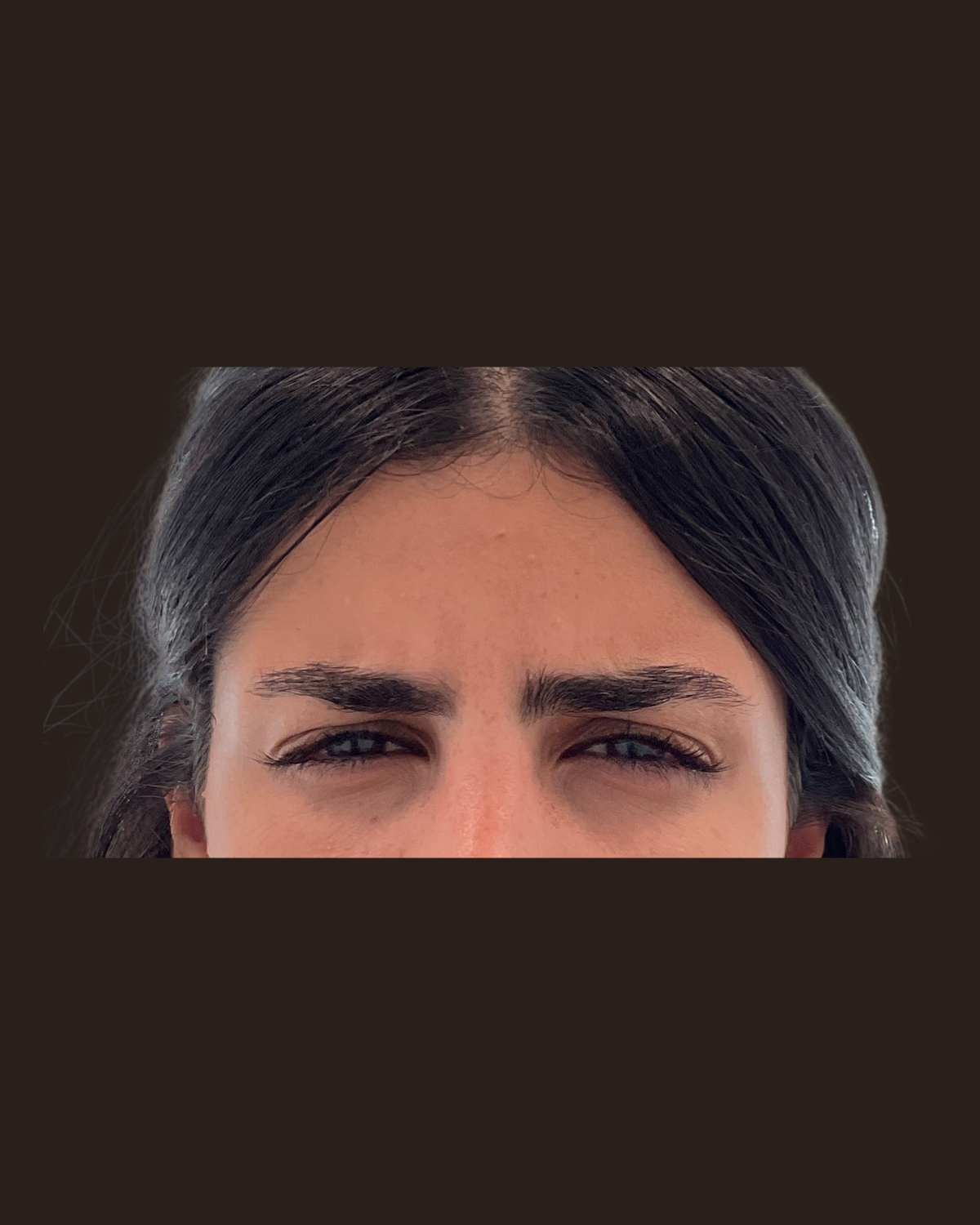
Before → After
Botox injection. Photographed 2 weeks later.
When more units isn't the answer
Botox relaxes the muscle that creases the skin. It does not fill a line that is already etched at rest, and it does not lift an eyelid that is heavy with skin rather than muscle. Where the line stays visible with your face completely still, the answer is resurfacing or filler rather than more units, and we will say so instead of increasing the dose. Where the heaviness is skin — a lid resting on the lashes, a field of vision that has narrowed — no neurotoxin changes that, and it needs an oculoplastic evaluation, usually Wills Eye Institute or the oculoplastic service at Penn. Telling the difference is a two-minute examination.
Why choose PhillyMedClub for Botox in Philadelphia?
You can choose a physician injector at PhillyMedClub in Philadelphia, and the person you book is the person who treats you — no substitutions. We offer Botox, Dysport and Letybo and treat them as genuinely different products rather than interchangeable — dosing scales differ, onset differs, and individual response varies more than most patients expect, so which one suits you is part of the consultation rather than a default. Dosing is planned around how your muscles actually behave, including in areas like the masseter and trapezius. Pricing is published per unit, starting at $11.
Male musculature requires higher dosing than female patients — one of the reasons who injects you matters. Men most often seek treatment for forehead lines, crow's feet, and the vertical '11s'. Dosing is tailored to preserve natural masculine expression while softening unwanted lines.
Our most requested service. Whether it's your first treatment or your fifteenth, your injector takes time to understand your goals before touching a needle. Results are consistently described as refreshed and natural — never frozen, never overdone.
Frequently asked questions
How much does Botox cost in Philadelphia?
Two things set the price: how many units you need, and which neurotoxin you choose. The unit counts are the part we can give you upfront — 20 for frown lines, 24 for crow's feet, and 40 for forehead and frown lines treated together, which are the FDA-approved doses. Masseter and trapezius treatments use more. Per-unit price differs between products, so the same unit count is not the same cost across every option. Current pricing is shown when you book, and your injector confirms the exact unit count and price at consultation before anything is injected.
Does it matter who injects me?
You can book a physician here and a physician will inject you — which is not the case at most practices, where the doctor signs the protocols and someone else holds the needle. Our advanced practice nurse also injects, and you choose. What actually lowers the risk of drooping, asymmetry or an unnatural result is anatomic knowledge, experience and an unhurried assessment beforehand — and a physician is on site whenever we are treating.
How many units of Botox will I need?
The FDA-approved doses are the starting point: 20 units for frown lines, 24 for crow's feet, and 40 for forehead and frown lines treated together — the label pairs those two because relaxing the forehead on its own lets the muscles that pull the brow down win, which is how people end up with heavy brows. All three upper-face areas together comes to 64 units. Off-label areas differ: masseter runs 20 to 30 units per side, trapezius around 20 per side, and a lip flip 6 to 10. Your own dose depends on muscle strength, and men generally need more than women for the same area.
Related services


.png)