
Philadelphia, PA
Peptide Therapy
An honest page about peptides
This is not a service page. We do not offer peptide therapy beyond tirzepatide, which is an FDA-approved medication and part of our medical weight loss program.
We are writing this because patients ask about peptides constantly, because the marketing around them is relentless, and because almost nothing written about them online is written by someone without a financial interest in selling them.
What is a peptide?
A peptide is a short chain of amino acids — smaller than a protein, larger than a single amino acid. That is a description of chemistry, not a category of medicine, and it is the source of most of the confusion.
Some peptides are among the best-evidenced drugs in modern practice. Insulin is a peptide. So are semaglutide and tirzepatide. These went through full clinical trial programs, and have known dosing, known side effects and regulatory approval.
Other peptides — the ones marketed for recovery, longevity, tanning, muscle growth and injury healing — have never completed that process. Calling both groups peptides implies an equivalence that does not exist.
Why we don't offer them
Three reasons, in order of how much they matter.
The evidence is not there. Most of what is claimed for the popular research peptides comes from animal models or cell culture. BPC-157, for instance, has genuinely interesting preclinical data and no adequate human trials. Interesting in a rat is not the same as proven in a person, and the history of medicine is substantially a record of that gap.
Nobody knows the long-term effects. There are no multi-year human safety data for these compounds, because the studies have not been done. Several are growth-promoting or angiogenic, which raises theoretical questions about what they might do in someone with an undetected cancer. Theoretical is not the same as demonstrated — but it is also not the same as safe, and it is not a question anyone can currently answer.
Side effects are almost certainly under-reported. When an approved drug causes a problem, there is a system for capturing it. For substances sold outside that framework there is no unified place where adverse events are collected, so the absence of reported harm tells you very little. It may mean the compound is safe. It may mean nobody is counting.
Where the product actually comes from
This is the part patients think about least and should think about most.
Many research peptides are sold labeled for research use only, not for human consumption — wording that exists to place legal distance between the seller and whatever happens next. A meaningful share is manufactured overseas with no independent verification of what is in the vial.
You are relying on a supply chain that has not been inspected to deliver a substance of the stated identity, purity, sterility and dose. Injecting it means accepting all four of those risks at once.
What the July 2026 FDA advisory vote actually decided
The regulatory picture has moved and is still moving, so here is where it stands as of this writing.
In 2023 the FDA placed a group of peptide bulk substances in a category that effectively barred compounding pharmacies from preparing them. In April 2026 the agency said it would move twelve of them out of that category. At its meeting on 23 and 24 July 2026, the FDA's Pharmacy Compounding Advisory Committee reviewed seven peptides and recommended six of them — BPC-157, KPV, TB-500, MOTS-c, epitalon and semax — for the 503A Bulks List, which sets out what compounding pharmacies may legally prepare. Emideltide was the only one declined.
Three details got lost in the coverage. Every one of those votes passed by a narrow majority. FDA scientists had already reviewed these peptides and concluded in 2023 that none of them should be added to the list. And as the BMJ reported, seven members of the newly appointed committee hold active interests in health or wellness businesses involved in supplying peptides.
The votes are also non-binding. The FDA has not yet decided whether to act on the recommendation.
Most importantly — and this is the part that does not change whatever the FDA decides — whether a compounding pharmacy may legally prepare a substance is a question about compounding rules. It is not FDA approval. It does not create clinical trial evidence, validated indications, standardized dosing, or an established balance of benefit against risk.
A peptide becoming easier to obtain does not make it better studied. Those are separate questions, and only one of them is about your safety.
Retatrutide specifically
Retatrutide comes up often, because the early trial results in obesity have been striking.
It is an investigational drug, still in clinical development and not approved by the FDA for any use. It is not available by prescription, and it was not among the substances the advisory committee reviewed. Anything sold under that name is, by definition, a substance of unverified origin.
If it is approved, we will prescribe it. Until then, what is circulating is not the drug from the trials — it is something with the same name on a label.
Dr. Ghavami's position
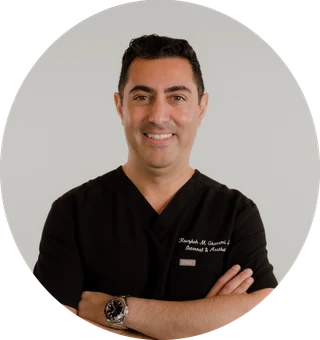
Injecting an unapproved peptide is the equivalent of injecting a chemical compound rather than a medication into your body. The long-term effects have not been studied, and the side effects are grossly under-reported because there is no unified system collecting them. That is not a risk I am willing to take on behalf of a patient.
What we do offer
Tirzepatide, as part of a physician-managed medical weight loss program with appropriate monitoring and a plan.
If you are considering peptides for recovery, energy, sleep or longevity, we are happy to talk through what you are actually trying to fix. Frequently there is an approved, evidenced route to the same goal — and where there is not, we will tell you that too.
Further reading
Why we don't offer most peptides
We do prescribe and manage tirzepatide. What we do not sell is the wider peptide market — BPC-157, GHK-Cu, thymulin and the rest — because the human evidence is thin and these are not approved for the uses they are sold for. That is a judgment about data, not a permanent position; when the trials arrive, we will revisit it. If a peptide protocol is what you came for, we are not the practice for it, and we would rather say that than take the appointment. What we can do is look at what you are actually trying to fix, and tell you whether anything we trust addresses it.
Why doesn't PhillyMedClub offer peptide therapy in Philadelphia?
Because we are not willing to prescribe or inject substances whose origin, purity and dose nobody can verify. The peptides discussed in fitness and anti-aging circles — BPC-157, TB-500, CJC-1295, ipamorelin — are not FDA-approved for any indication. Much of what circulates is sold labeled for research use only, wording that exists to put legal distance between the seller and whatever happens next, and a meaningful share is manufactured overseas with no independent verification of what is in the vial. Retatrutide is still investigational and not approved; anything sold under that name outside a trial is of unverified origin. A peptide becoming easier to obtain does not make it better studied — those are separate questions, and only one of them is about your safety. The only peptide we carry is tirzepatide — an approved medicine with a full clinical trial program behind it — and we prescribe it in our medical weight loss program.
Much of the peptide conversation online is aimed at men — recovery, performance, longevity. Some of it is grounded in real science; much of it is ahead of the evidence. We'll help you sort one from the other, and where a goal is legitimate, point you to the evidence-based path to reach it.
For women, peptide marketing often centers on skin, metabolism, and healing. The proven wins today are metabolic — the GLP-1 class — while most other claims remain ahead of the evidence. A consultation gets you an honest, individualized answer.
Frequently asked questions
Do you offer peptide therapy?
We do not offer peptide therapy beyond tirzepatide, which is an FDA-approved medication used in our medical weight loss program. We are not currently willing to prescribe or inject the research peptides sold for recovery, anti-aging or performance, and this page explains why.
Are peptides FDA-approved?
Some are. Tirzepatide and semaglutide are peptides and they are approved medicines with full clinical trial programs behind them. The peptides discussed in fitness and anti-aging circles — BPC-157, TB-500, CJC-1295, ipamorelin and others — are not FDA-approved for any indication, whatever their current compounding status happens to be.
Can I get retatrutide?
No. Retatrutide is an investigational drug still in clinical trials and not approved by the FDA. Anything sold under that name outside a trial is a substance of unverified origin, purity and dose.
Related services


.png)